
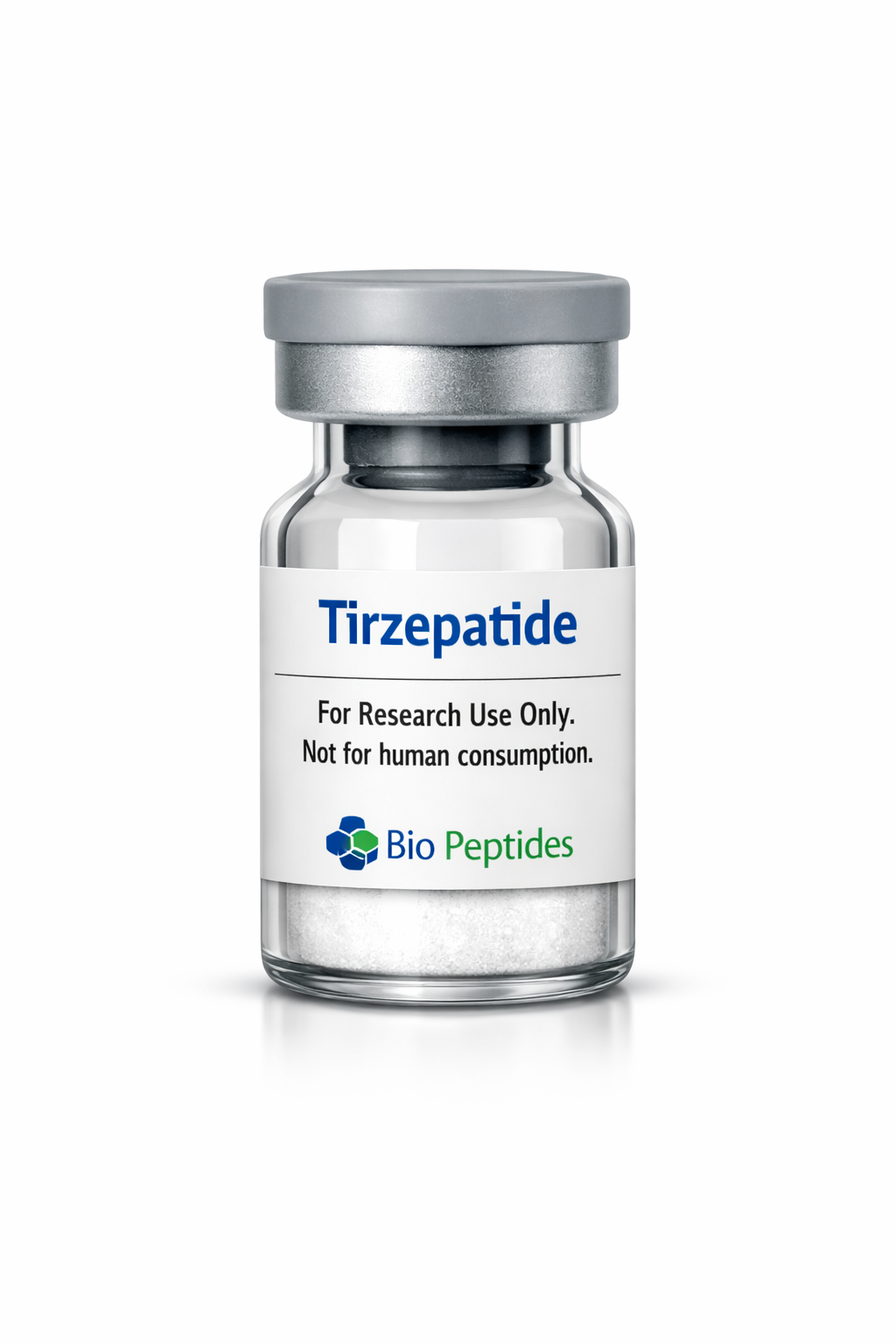
Tirzepatide Spec.(10vials/box)
$55.00 – $440.00Price range: $55.00 through $440.00
SKU: N/A
Category: Tirzepatide
Tirzepatide is a once-weekly injectable medication that’s available under two brand names: Mounjaro and Zepbound. Mounjaro is FDA approved to treat Type 2 diabetes in adults and children ages 10 and older. Zepbound is approved for weight loss and obstructive sleep apnea (OSA) in certain adults.
Tirzepatide belongs to a medication class with a long name: dual glucose-dependent insulinotropic polypeptide (GIP) and glucagon-like peptide-1 (GLP-1) receptor agonist. It acts like GIP and GLP-1, two gut hormones that help regulate blood glucose (blood sugar), digestion, and appetite.
But what exactly happens in your body after you inject Mounjaro or Zepbound? Below, we break down tirzepatide’s mechanism of action and seven ways it works to manage diabetes, promote weight loss, and treat OSA.
1. Tirzepatide tells your pancreas to release insulin after you eat
One of the ways tirzepatide helps lower blood sugar is by encouraging your pancreas to release more insulin after you eat. Insulin helps move sugar from your bloodstream into your cells. By making more insulin available, tirzepatide helps lower blood sugar levels, especially post-meal sugar levels.
Since tirzepatide primarily promotes insulin release after you eat, it carries a lower risk of hypoglycemia (low blood sugar) than some diabetes medications, such as sulfonylureas. Sulfonylureas, such as glipizide (Glucotrol XL), stimulate insulin release regardless of whether you ate.
2. Tirzepatide lowers the amount of new sugar your liver makes
Tirzepatide also lowers the amount of glucagon, a hormone released by the pancreas that tells the liver to make sugar. As a result, the liver produces less sugar. And this helps lower blood sugar levels for people living with Type 2 diabetes.
3. Tirzepatide slows the movement of food out of your stomach
It’s common to feel fuller than usual after meals while taking tirzepatide because it slows gastric emptying — how quickly food moves from your stomach to your intestines. This action is beneficial for both Type 2 diabetes and weight loss. But it’s also thought to contribute to many of tirzepatide’s digestion-related side effects, such as nausea and constipation.
Slowed or delayed gastric emptying reduces how quickly your body absorbs carbohydrates from food. This can help balance sugar levels after you eat. And it can make you feel fuller for longer, causing you to eat less and lose weight over time.
For some people, tirzepatide’s impact on gastric emptying may only be temporary. Generally, this effect is most noticeable shortly after starting treatment. But people taking the highest Mounjaro dosage or Zepbound dosage (15 mg per week) may continue to experience the sensation of feeling fuller.
| TR | 5 mg x10 vail, 10 mg x10 vail, 15 mg x10 vail, 20 mg x10 vail, 30 mg x10 vail, 40 mg x10 vail, 50 mg x10 vail, 60 mg x10 vail, 70 mg x10 vail, 80 mg x10 vail, 90 mg x10 vail, 100 mg x10 vail, 100 mg x10 vail, 110 mg x10 vail, 120 mg x10 vail |
|---|
Reviews
There are no reviews yet.